A child's success is based on a determination that every child will learn to read, together with a very rigorous and sequential approach to developing speaking and listening and teaching reading, writing and spelling through systematic phonics. This approach is applied with a high degree of consistency and sustained.” (Ofsted: Reading by Six. 2012).
At Lift Four Dwellings Primary we recognise the importance of a quality, well -structured phonics approach that gives children the essential skills to becoming a life-long reader. Staff at our school are all trained in the delivery of Read, Write Inc and this scheme is embedded throughout the school.
What is phonics?
Phonics means using the sounds of the letters in words (not the names) as the first strategy that children use to help them learn to read. Words are made up from small units of sound (phonemes) and phonics teaches children to listen carefully and identify the phonemes that make up each word. This helps them learn to read and spell words. How do we teach phonics?
Phonics follows the Read Write Inc scheme and teaches the sounds in Sets 1-3. Children have several opportunities to apply their phonics knowledge in activities involving reading and spelling. Children are also taught words that are not phonetically decodable through red words.
We aim to provide the children with:
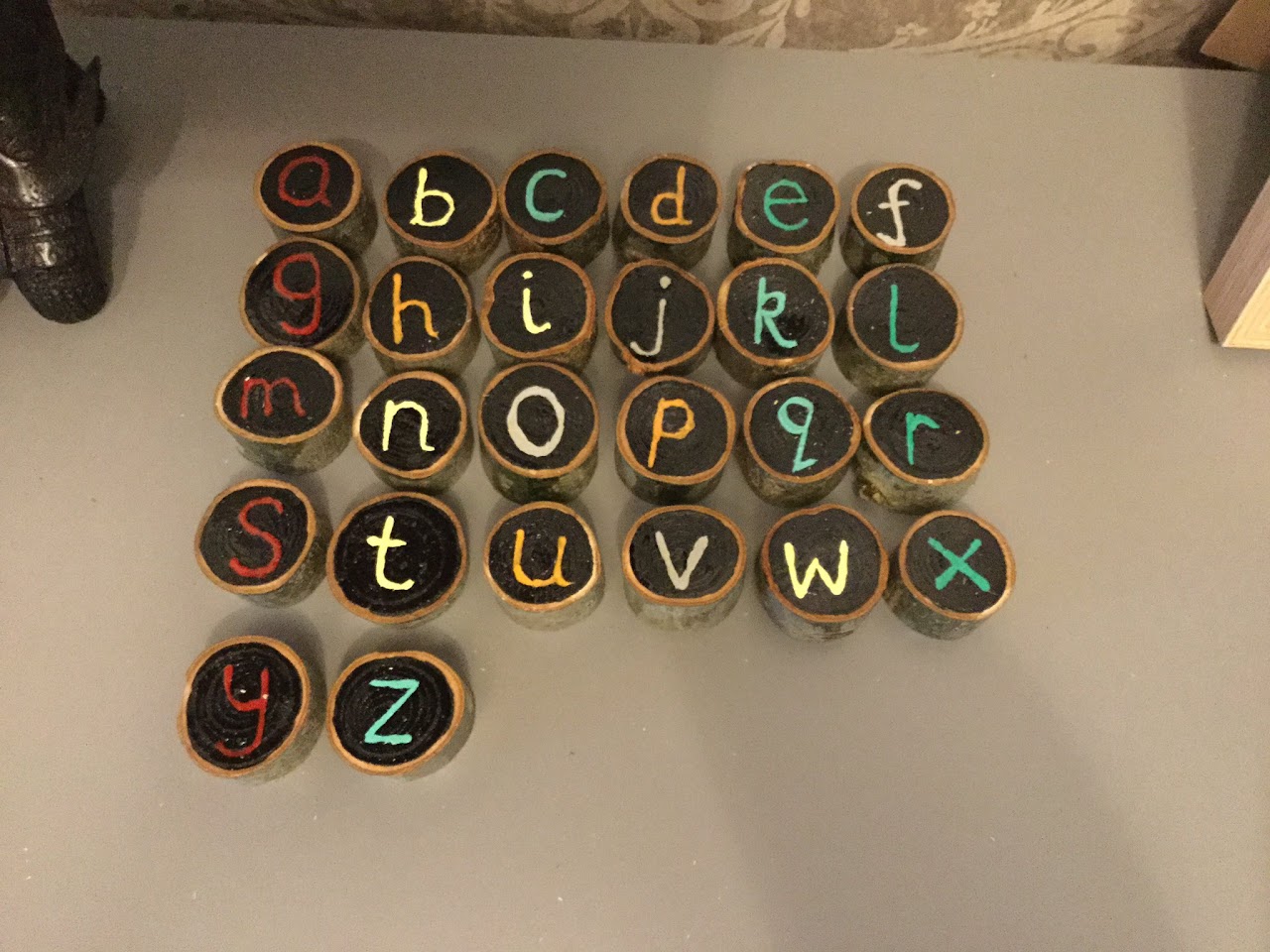
- knowledge of the English Alphabetic Code (the letter-sound correspondences)
- Skill of blending (for reading)
- Skill of segmenting (for spelling)
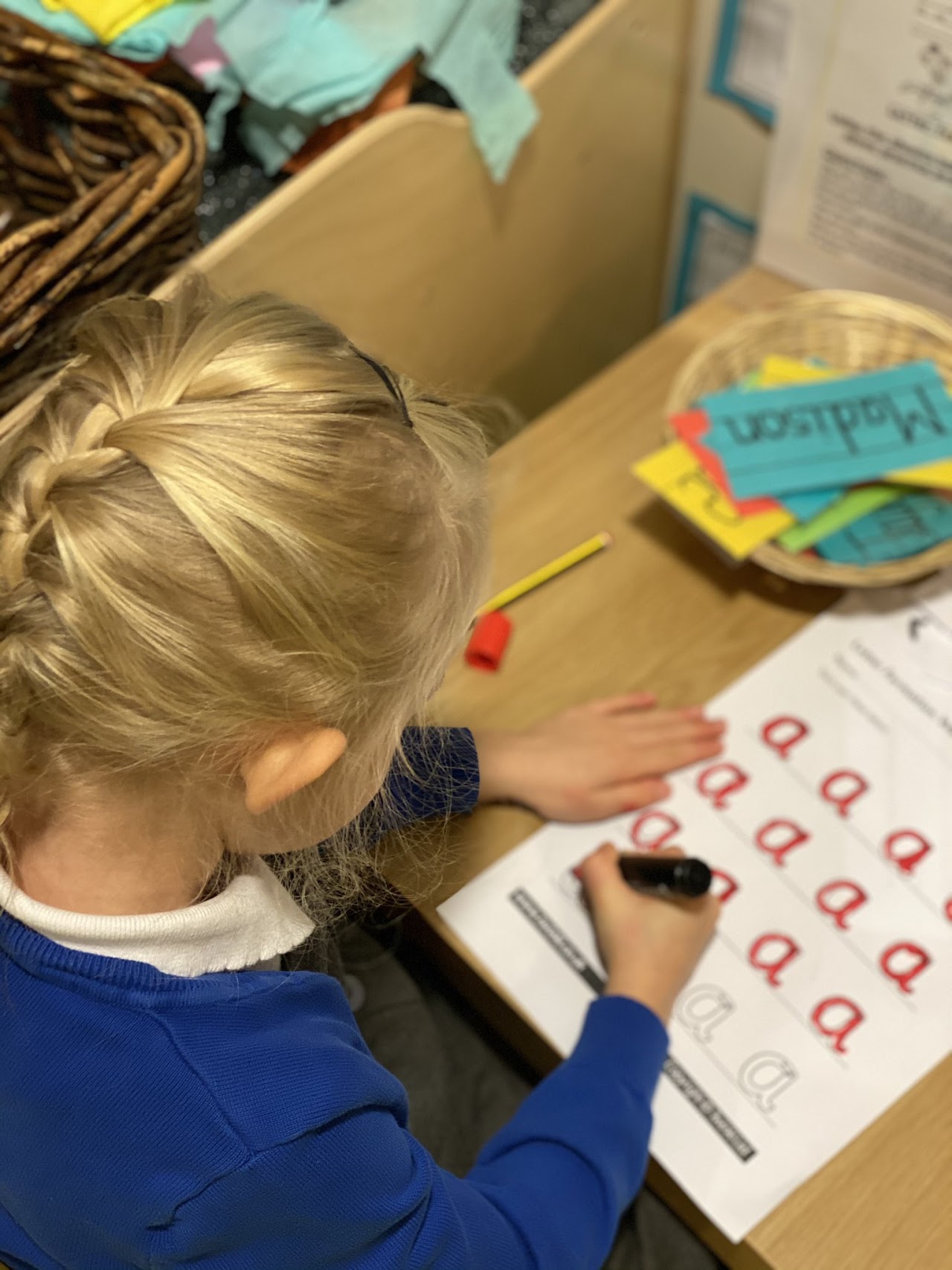
- Skill of handwriting (print letter formation)
The teaching and learning cycle is dependent on which Set is being taught but it is vital the following take place at least once daily:
- Introduce/teach
- Oral blending
- Word Time (reading and spelling)
- Pinny Time





.png)










.png)